

2026
THIS TRAIN
“THIS TRAIN” by Michael C. Ford is a poem centered on music, aging, nature. The poem develops its subject through recurring images and shifts in emotional pressure rather than reducing the experience to a single statement.
Poem archive
Read poems by Arizona and Southwestern writers, plus classic work preserved in the AZPoetry literary archive.
Search by poem title, poet, or a phrase you remember. Each archive page is designed to lead readers toward more poets and related work.
2026
“THIS TRAIN” by Michael C. Ford is a poem centered on music, aging, nature. The poem develops its subject through recurring images and shifts in emotional pressure rather than reducing the experience to a single statement.
2026
“FAILURE TO LEAVE PHOENIX IN ORDER TO SAVE MY LIFE IN THE SUMMER OF 1968” by Michael C. Ford is a poem centered on arizona, place and geography, memory. Its imagery is anchored in Arizona, Tucson. The poem develops its subject through recurring images and shifts in emotional pressure rather than reducing the experience to a single statement.

2026
“WITH WILL THERE WAS ALWAYS A WAY” by Michael C. Ford is a poem centered on place and geography, memory, love and relationships. Its imagery is anchored in California. The poem develops its subject through recurring images and shifts in emotional pressure rather than reducing the experience to a single statement.

2026
“INTRUSION IN SUISUN” by Michael C. Ford is a poem centered on place and geography, mortality and loss, social justice. The poem develops its subject through recurring images and shifts in emotional pressure rather than reducing the experience to a single statement.
2026
“GROUNDING OUT IN SOUTHERN CALIFORNIA” by Michael C. Ford is a poem centered on place and geography, memory, family. Its imagery is anchored in Pasadena, California. The poem develops its subject through recurring images and shifts in emotional pressure rather than reducing the experience to a single statement.
2026
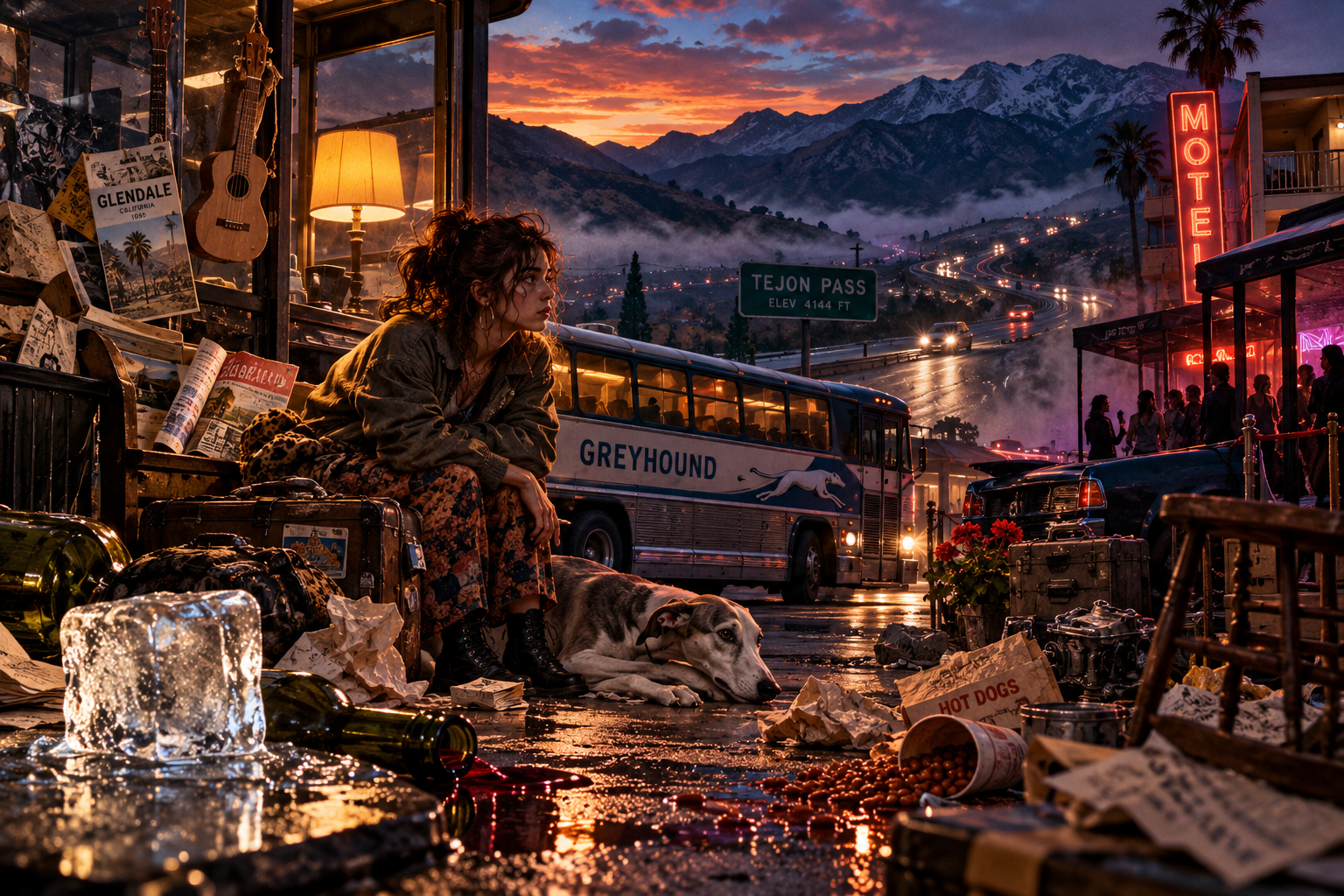
“GREYHOUND” by Michael C. Ford is a poem centered on place and geography, love and relationships, social justice. Its imagery is anchored in California, Glendale, California. The poem develops its subject through recurring images and shifts in emotional pressure rather than reducing the experience to a single statement.

2026
“I'm Going Through” by Jimmie Ware is a poem centered on love and relationships, family, identity. The poem develops its subject through recurring images and shifts in emotional pressure rather than reducing the experience to a single statement.
2026
“50 Deep Breaths” by Jimmie Ware is a poem centered on memory, love and relationships, family. Its imagery is anchored in Arctic Ocean. The poem develops its subject through recurring images and shifts in emotional pressure rather than reducing the experience to a single statement.

2026
“Time” by Jimmie Ware is a poem centered on love and relationships, family, nature. The poem develops its subject through recurring images and shifts in emotional pressure rather than reducing the experience to a single statement.

2026
“Uptown World” by Jimmie Ware is a poem centered on place and geography, love and relationships, family. The poem develops its subject through recurring images and shifts in emotional pressure rather than reducing the experience to a single statement.

2026
“Gentle Reminders” by Jimmie Ware is a poem centered on arizona, family, identity. Its imagery is anchored in Phoenix. The poem develops its subject through recurring images and shifts in emotional pressure rather than reducing the experience to a single statement.
2026
“Yesterday Emotions” by Jimmie Ware is a poem centered on place and geography, memory, nature. Its imagery is anchored in Chicago. The poem develops its subject through recurring images and shifts in emotional pressure rather than reducing the experience to a single statement.

2026
“Untitled (“Some days I need to be baptized by the beat”)” by Jimmie Ware is a poem centered on love and relationships, music, identity. The poem develops its subject through recurring images and shifts in emotional pressure rather than reducing the experience to a single statement.

2026
“Divided States of OZ” by Jimmie Ware is a poem centered on social justice, nature, travel and movement. The poem develops its subject through recurring images and shifts in emotional pressure rather than reducing the experience to a single statement.

2026
“Reigning Men” by Jimmie Ware is a poem centered on place and geography, love and relationships, social justice. The poem develops its subject through recurring images and shifts in emotional pressure rather than reducing the experience to a single statement.

2026
“In this Surreal Moment” by Jimmie Ware is a poem centered on love and relationships, family, music. The poem develops its subject through recurring images and shifts in emotional pressure rather than reducing the experience to a single statement.

2026
“UPTOWN” by Jimmie Ware is a poem centered on place and geography, memory, love and relationships. Its imagery is anchored in Chicago, Uptown Chicago. The poem develops its subject through recurring images and shifts in emotional pressure rather than reducing the experience to a single statement.

2026
“Poems 4 Prince” by Jimmie Ware is a poem centered on memory, love and relationships, music. The poem develops its subject through recurring images and shifts in emotional pressure rather than reducing the experience to a single statement.

2026
“Prince Matters” by Jimmie Ware is a poem centered on love and relationships, music, travel and movement. The poem develops its subject through recurring images and shifts in emotional pressure rather than reducing the experience to a single statement.
2026
“IJS” by Jimmie Ware is a poem centered on place and geography, memory, love and relationships. Its imagery is anchored in Alaska, Lake Michigan. The poem develops its subject through recurring images and shifts in emotional pressure rather than reducing the experience to a single statement.

2026
“Face Book” by Jimmie Ware is a poem centered on social justice, travel and movement. The poem develops its subject through recurring images and shifts in emotional pressure rather than reducing the experience to a single statement.

2026
“Prophets in Paradise” by Jimmie Ware is a poem centered on memory, love and relationships, music. The poem develops its subject through recurring images and shifts in emotional pressure rather than reducing the experience to a single statement.

2026
“Blue Dream” by Jimmie Ware is a poem centered on memory, music, aging. The poem develops its subject through recurring images and shifts in emotional pressure rather than reducing the experience to a single statement.

2026
“Kitchen Conversations” by Jimmie Ware is a poem centered on memory, love and relationships, family. The poem develops its subject through recurring images and shifts in emotional pressure rather than reducing the experience to a single statement.

2026
“I'm Down” by Jimmie Ware is a poem centered on love and relationships, family, music. The poem develops its subject through recurring images and shifts in emotional pressure rather than reducing the experience to a single statement.

2026
“Wonder of Woman” by Jimmie Ware is a poem centered on love and relationships, family, identity. The poem develops its subject through recurring images and shifts in emotional pressure rather than reducing the experience to a single statement.

2026
“Gratitude, For My Griots” by Jimmie Ware is a poem centered on love and relationships, social justice, aging. The poem develops its subject through recurring images and shifts in emotional pressure rather than reducing the experience to a single statement.

2026
“How the Lightning Sings” by Aaron Hopkins-Johnson is a poem centered on arizona, place and geography, memory. The poem develops its subject through recurring images and shifts in emotional pressure rather than reducing the experience to a single statement.
2026
“Epiphany” by Aaron Hopkins-Johnson is a poem centered on love and relationships, family, music. The poem develops its subject through recurring images and shifts in emotional pressure rather than reducing the experience to a single statement.

2026
“jigsaw” by Aaron Hopkins-Johnson is a poem centered on love and relationships. The poem develops its subject through recurring images and shifts in emotional pressure rather than reducing the experience to a single statement.

2026
“Alzheimer’s Poetry Project” by Aaron Hopkins-Johnson is a poem centered on memory, love and relationships, music. The poem develops its subject through recurring images and shifts in emotional pressure rather than reducing the experience to a single statement.

2026
“Chameleon” by Aaron Hopkins-Johnson is a poem centered on identity, aging, nature. The poem develops its subject through recurring images and shifts in emotional pressure rather than reducing the experience to a single statement.

2026
“The Things That Break While Moving” by Aaron Hopkins-Johnson is a poem centered on arizona, place and geography, love and relationships. Its imagery is anchored in Phoenix. The poem develops its subject through recurring images and shifts in emotional pressure rather than reducing the experience to a single statement.
2026
“Astronaut” by Aaron Hopkins-Johnson is a poem centered on memory, love and relationships, family. The poem develops its subject through recurring images and shifts in emotional pressure rather than reducing the experience to a single statement.

2026
“Bad Habit” by Aaron Hopkins-Johnson is a poem centered on contemporary life, human experience. The poem develops its subject through recurring images and shifts in emotional pressure rather than reducing the experience to a single statement.

2026
“Punctuated Lips” by Aaron Hopkins-Johnson is a poem centered on love and relationships, mortality and loss, aging. The poem develops its subject through recurring images and shifts in emotional pressure rather than reducing the experience to a single statement.

2026
“Damaged Merchandise” by Aaron Hopkins-Johnson is a poem centered on place and geography, memory, music. The poem develops its subject through recurring images and shifts in emotional pressure rather than reducing the experience to a single statement.

2026
“Charlie Brown” by Aaron Hopkins-Johnson is a poem centered on arizona, music, identity. Its imagery is anchored in Phoenix. The poem develops its subject through recurring images and shifts in emotional pressure rather than reducing the experience to a single statement.

2026
“When You Said I Wasn’t Perfect, You Were Right.” by Aaron Hopkins-Johnson is a poem centered on love and relationships, family, music. The poem develops its subject through recurring images and shifts in emotional pressure rather than reducing the experience to a single statement.

2026
“Lefty” by Aaron Hopkins-Johnson is a poem centered on place and geography, love and relationships, family. The poem develops its subject through recurring images and shifts in emotional pressure rather than reducing the experience to a single statement.

2026
“Bananas” by Aaron Hopkins-Johnson is a poem centered on love and relationships, music, mortality and loss. The poem develops its subject through recurring images and shifts in emotional pressure rather than reducing the experience to a single statement.

2026
“Burn” by Aaron Hopkins-Johnson is a poem centered on family, identity, aging. The poem develops its subject through recurring images and shifts in emotional pressure rather than reducing the experience to a single statement.
2026
“Life Boat” by Aaron Hopkins-Johnson is a poem centered on family, mortality and loss, social justice. The poem develops its subject through recurring images and shifts in emotional pressure rather than reducing the experience to a single statement.

2026
“A POEM THAT ASKS THE MUSICAL QUESTION: IS JACK KEROUAC REALLY DEAD IN AMERICA?” by Michael C. Ford is a poem centered on place and geography, family, mortality and loss. Its imagery is anchored in California. The poem develops its subject through recurring images and shifts in emotional pressure rather than reducing the experience to a single statement.

2026
“BEAT” by Michael C. Ford is a poem centered on place and geography, music, aging. The poem develops its subject through recurring images and shifts in emotional pressure rather than reducing the experience to a single statement.

2026
“ANOTHER SONG” by Michael C. Ford is a poem centered on place and geography, love and relationships, music. The poem develops its subject through recurring images and shifts in emotional pressure rather than reducing the experience to a single statement.
2026
“THERE WAS A FUNERAL IN SAN PEDRO” by Michael C. Ford is a poem centered on place and geography, memory, mortality and loss. Its imagery is anchored in San Pedro. The poem develops its subject through recurring images and shifts in emotional pressure rather than reducing the experience to a single statement.

2026
“A FEW BARS ON A BAR-ROOM PIANO” by Michael C. Ford is a poem centered on place and geography, love and relationships, family. Its imagery is anchored in Los Angeles, California. The poem develops its subject through recurring images and shifts in emotional pressure rather than reducing the experience to a single statement.

2026
“I MET HANK IN 1968” by Michael C. Ford is a poem centered on place and geography, memory, family. Its imagery is anchored in Chicago, Los Angeles. The poem develops its subject through recurring images and shifts in emotional pressure rather than reducing the experience to a single statement.

2026
“A POEM THAT REFUSES TO BE CALLED DUSK” by Michael C. Ford is a poem centered on place and geography, identity, nature. Its imagery is anchored in San Diego, California. The poem develops its subject through recurring images and shifts in emotional pressure rather than reducing the experience to a single statement.

2026
“CROSS COUNTRY RUNNER” by Michael C. Ford is a poem centered on place and geography, identity, aging. Its imagery is anchored in Santa Fe, Nevada. The poem develops its subject through recurring images and shifts in emotional pressure rather than reducing the experience to a single statement.

2026
“THE ROCKIES ARE NOT THE ONLY THINGS THAT END IN EL PASO” by Michael C. Ford is a poem centered on place and geography, memory, love and relationships. Its imagery is anchored in El Paso, Mexico. The poem develops its subject through recurring images and shifts in emotional pressure rather than reducing the experience to a single statement.
2026
“YESTERDAY I SAW PENELOPE B” by Michael C. Ford is a poem centered on place and geography, love and relationships, mortality and loss. The poem develops its subject through recurring images and shifts in emotional pressure rather than reducing the experience to a single statement.

2026
“IT’S ONLY A DREAM…………………RIGHT?” by Michael C. Ford is a poem centered on nature, travel and movement. Its imagery is anchored in Los Angeles. The poem develops its subject through recurring images and shifts in emotional pressure rather than reducing the experience to a single statement.
2026
“AMNESIA IN MEMORY MANOR” by Michael C. Ford is a poem centered on place and geography, memory, love and relationships. The poem develops its subject through recurring images and shifts in emotional pressure rather than reducing the experience to a single statement.

2026
“INNER BLUES ON THE OUTER DRIVE” by Michael C. Ford is a poem centered on place and geography, memory, family. Its imagery is anchored in Chicago, California. The poem develops its subject through recurring images and shifts in emotional pressure rather than reducing the experience to a single statement.

2026
“SUNRISE HIGHWAY” by Michael C. Ford is a poem centered on place and geography, love and relationships, nature. The poem develops its subject through recurring images and shifts in emotional pressure rather than reducing the experience to a single statement.

2026
“POEM WRITTEN WHILE CONSIDERING POSSIBILITY OF SNOW SHOWERS IN SPANISH FORK CANYON” by Michael C. Ford is a poem centered on aging. The poem develops its subject through recurring images and shifts in emotional pressure rather than reducing the experience to a single statement.

2026
“BLACK LIGHT” by Michael C. Ford is a poem centered on place and geography, music, social justice. Its imagery is anchored in San Francisco. The poem develops its subject through recurring images and shifts in emotional pressure rather than reducing the experience to a single statement.

2026
“DOWN FOR JUNK” by Michael C. Ford is a poem centered on place and geography, aging. Its imagery is anchored in California. The poem develops its subject through recurring images and shifts in emotional pressure rather than reducing the experience to a single statement.

2026
“BLUES BOUTS-RIMES TO BILLIE HOLIDAY” by Michael C. Ford is a poem centered on love and relationships, music, mortality and loss. The poem develops its subject through recurring images and shifts in emotional pressure rather than reducing the experience to a single statement.

2026
“OHIO FEVER” by Michael C. Ford is a poem centered on place and geography, aging. The poem develops its subject through recurring images and shifts in emotional pressure rather than reducing the experience to a single statement.
2026
Edwards maps running routes across Arizona onto experiences of race, sexuality, trauma, memory and personal safety. As running changes from sport to vulnerability and eventually survival, “winning” comes to mean making it home and living beyond yesterday.
2025
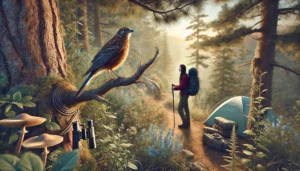
Speaking as a bird, the poem recounts an attraction to a thru-hiker who repeatedly observes but never fully understands him. Their relationship develops through birdsong, nests, field guides, migration and binoculars until incompatibility becomes something the speaker must finally fly away from.
2025
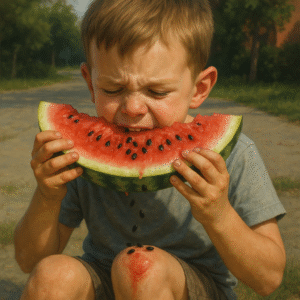
A childhood memory of collecting and spitting watermelon seeds turns unexpectedly into an encounter with bodily injury when the speaker scrapes a knee and looks inside the wound for seeds.
2025
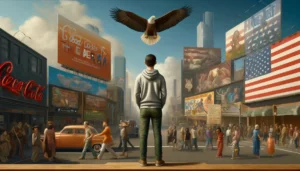
Through a recurring question about whether he counts as American, the speaker contrasts his own beliefs and cultural preferences with conventional symbols and assumptions about patriotism, asking whether criticism and difference exclude someone from national belonging.
2025
A neighborhood experiences floods, deaths, home improvements and ordinary routines together, yet its residents gradually become emotionally isolated even while continuing the gestures of community.

2025
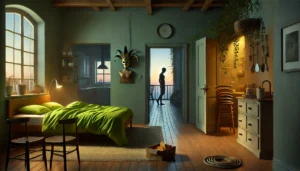
The speaker rejects the reassuring idea that something can simply “take the edge off” physical pain because her experience of pregnancy and impending childbirth feels composed entirely of edges—bodily, emotional and psychological.
2025
Fourteen numbered passages deliberately blur the language of romantic intimacy, farewell, memory and despair, making it difficult to determine whether each fragment belongs to a love letter or a suicide note.
2025
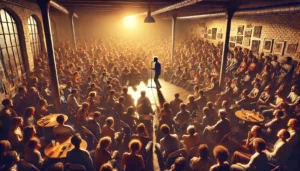
Graham looks back across generations of poetry slam, acknowledging its failures, rivalries, mythology and imperfections while arguing that poems need not transform the entire world to matter deeply to an audience—or even to one poet.
2025
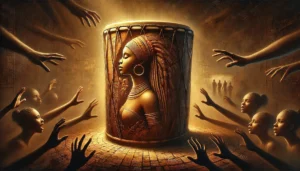
Cortez develops the drum as an extended metaphor for women, repeatedly asking why something capable of voice, rhythm and power is subjected to domination, violence and disrespect.
2025
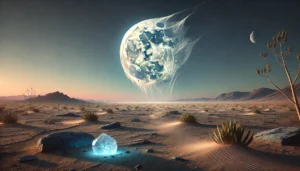
Shelton observes moon, wind, stones, mountains and a hidden scorpion as participants in an ancient desert order. By remaining in that landscape, the speaker hopes eventually to exchange language for a deeper form of understanding.
2025
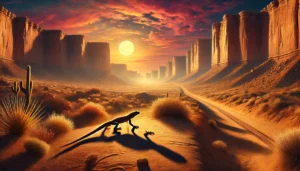
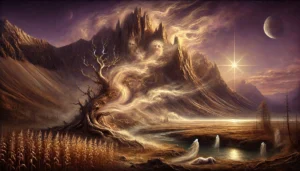
Chorlton imagines the desert landscape as a thinking presence whose roads, rocks, animals, shadows and canyons pose questions that exceed ordinary human answers.
2025
Bitsui moves through a rapidly transforming landscape of mountains, wind, reservation ghosts, uranium water, digital clouds, family, maps and dissolving bodies, creating a world in which environmental, technological and human boundaries continually collapse into one another.

2025
After a long, smoldering summer, thunder brings rain from the mountains into the gullies and valleys. The speaker experiences the storm as both ecological renewal and personal comfort.
2025
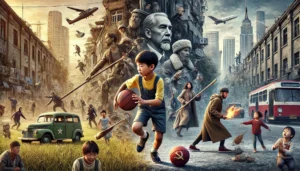
Mabrey imagines revolution as a nearly imperceptible force moving through ordinary moments across history: a Vietnamese boy carrying shoes through gunfire, a child unknowingly playing with a fragment connected to racial violence, and a girl rescuing a book from a military fire.
2025
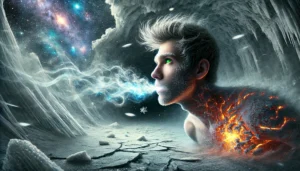
Trapped motionless in an increasingly cold and claustrophobic room, the speaker experiences cosmic visions, violent wind and bodily paralysis before warmth returns, fire overtakes the body and the seemingly defeated speaker finally sits up.
2025
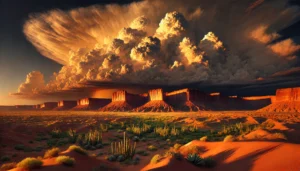
A desert thunderstorm advances across sunlit mesas, darkens the canyon and erupts into a torrent that floods the canyon floor.
2025
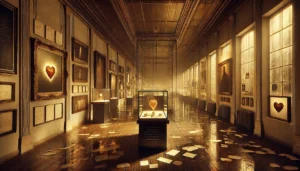
The speaker imagines her heart as an enormous public gallery filled with love letters, memories, damaged rooms, apologies, past relationships and one especially painful exhibit that continues to occupy the largest space.

2025
Missing someone causes the speaker to see a heart in a cloud—but not the polished symbol of greeting cards. Instead, he imagines an actual human heart: messy, vulnerable, compassionate and ultimately impossible for poetry to fully capture.
2025
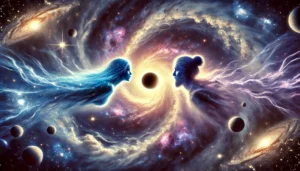
Attraction becomes a cosmic event as the speaker’s heart and mind debate whether to approach someone whose presence seems capable of reorganizing stars, memory, time and space.
2025
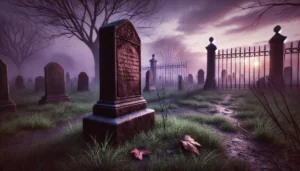
The speaker remembers seeing his parents’ shared grave marker twice—once for each funeral—and confronts the strange contradiction between memory, which proves they lived, and stone, which confirms they are gone.

2025
Speaking in the imagined voice of Lauren Bacall to Humphrey Bogart, the poem revisits their screen partnership, marriage, aging and Bogart’s death through the language of movies, scripts, cigarettes and Hollywood romance.
2024
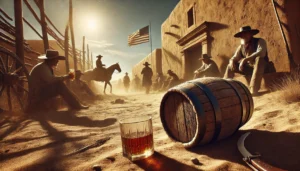
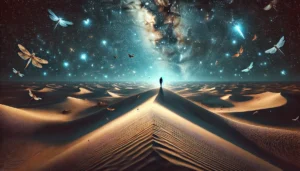
Set at the Presidio of Tucson in May 1856, the poem depicts Chiricahuas being sold a barrel of whiskey near the Santa Cruz, presenting alcohol as both commodity and instrument within a violent frontier encounter.
2024
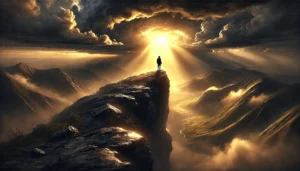
On a cold Arizona morning, the speaker imagines the apparently silent stars as an enormous working machine whose unheard energy continues through birds, insects and other creatures while humans sleepily enter an ordinary Monday.
2024
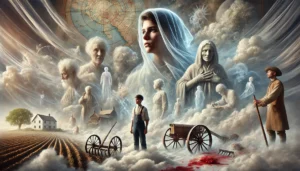
Grey defines greatness not through fame or achievement but through the ability to endure loss, defeat, grief, anger and despair while continuing to choose love and faith in what may still come.
2024
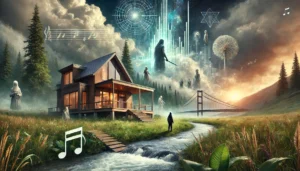
Beginning with a warning from her mother and references to popular music, the speaker considers love, whiteness, American history, Indigenous presence and the desire to be valued by people outside one’s own community.
2024
Addressing a young person, Ríos imagines every individual as carrying generations of ancestors into the present and encourages the listener to use that inheritance to build a future of their own.

2024
The speaker delivers a compact set of instructions for living boldly: take opportunities, work when nobody is watching, acknowledge mistakes, risk failure, recover from falling and continue forward.

2024
A birthday casserole made by the speaker’s mother becomes a measure of time. What began as a childhood treat gradually accumulates associations with aging, nostalgia, changing tastes, and the enduring rituals through which family love is expressed.

2024
Addressing “Summer” as an intimate presence, Valence moves through childhood memory, injury, aging, love, mortality and survival in a rapid stream of images that treats human connection as shelter against impermanence.
2024
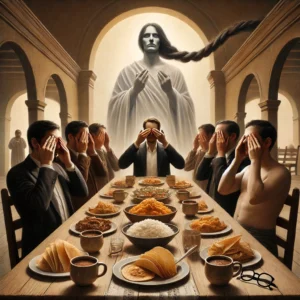
Flores takes a familiar stereotype about Mexican labor and progressively strips away its apparently complimentary surface, revealing exploitation, immigration pressure, inherited identity, faith, masculinity, and the human cost borne by the speaker’s father.
2024
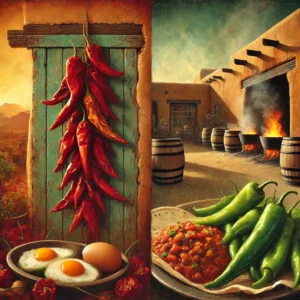
Baca contrasts his preference for red chile with his grandmother’s devotion to green chile, transforming food preparation into a sensual family ritual connected to New Mexico’s landscape, labor, memory, and culture.
2024
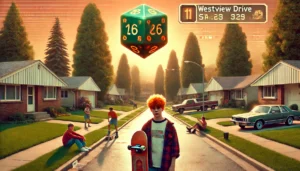
Cooper imagines growing up as an unforgiving video game called Outside. Childhood embarrassment, heartbreak, economic frustration, and generational conflict become failed dice rolls, impossible levels, fatalities, cheat codes, and eventually an invitation to rewrite the game.