
"Arizona" by Clarence Urmy
A land of mesas and of rocky spires,
Of wondrous canyons and eternal fires,
Of boundless spaces, mighty, grim, and grand,
Where silence keeps the secrets of the land.
About the poet Clarence Urmy
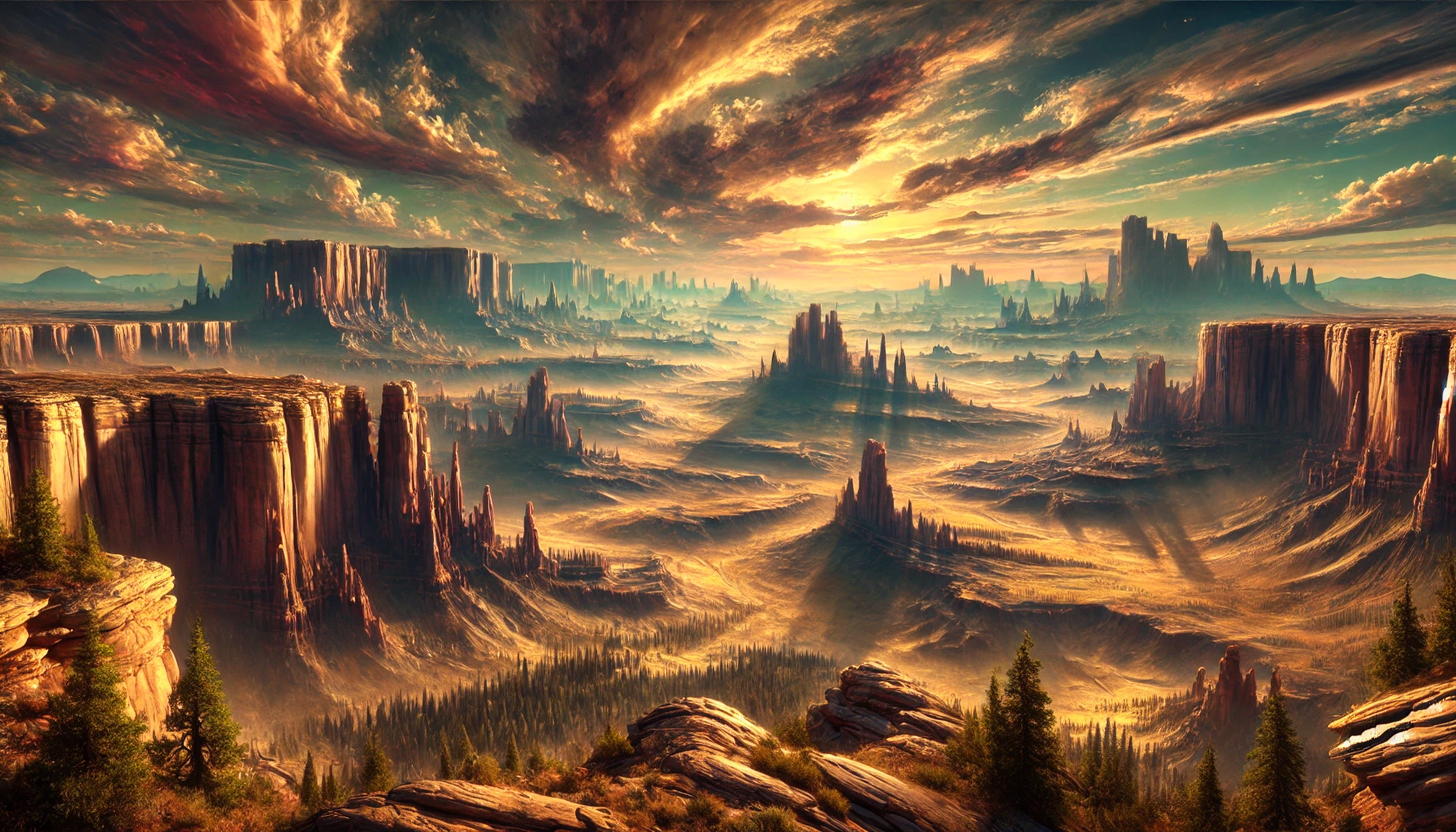
Clarence Urmy’s poem Arizona is a brief but vivid tribute to the breathtaking and untamed landscapes of the state. Through just a few lines, Urmy captures the grandeur and mystique of Arizona’s geography, painting an image of towering mesas, rugged rock formations, and deep canyons that seem to stretch endlessly. His use of language evokes both the beauty and severity of the land, emphasizing its vastness and the powerful natural forces that have shaped it over time.
The poem’s reference to “eternal fires” suggests the relentless heat of the desert sun, the glow of the setting sun against red rock formations, or perhaps even the spiritual and historical resilience of the land and its people. Meanwhile, the line “Where silence keeps the secrets of the land” speaks to the stillness of the desert, where time feels suspended and nature’s history is written in its vast, untouched expanses.
With its concise and evocative imagery, Arizona captures the awe-inspiring essence of the state—its grandeur, its isolation, and its quiet, almost mystical presence. Urmy’s work serves as a poetic postcard, inviting readers to stand in awe of Arizona’s wild and unyielding beauty.
To learn more about Clarence Urmy and his contributions to poetry, visit his poet bio page here on AZpoetry.com.
Summary
Urmy condenses Arizona into four monumental images: mesas and rock spires, canyons and heat, immense open spaces, and a silence that seems to preserve the land’s secrets.
Analysis
The poem works almost like a landscape inscription. Three lines accumulate physical scale before the final line changes the landscape into something mysterious: silence becomes the keeper of what the land knows. The repeated “of” creates a catalog of Arizona’s features, while “mighty, grim, and grand” refuses to portray the landscape as merely picturesque. Beauty here includes severity, distance, and unknowability.