

2026
THIS TRAIN
“THIS TRAIN” by Michael C. Ford is a poem centered on music, aging, nature. The poem develops its subject through recurring images and shifts in emotional pressure rather than reducing the experience to a single statement.
Poem archive
Read poems by Arizona and Southwestern writers, plus classic work preserved in the AZPoetry literary archive.
Search by poem title, poet, or a phrase you remember. Each archive page is designed to lead readers toward more poets and related work.
2026
“THIS TRAIN” by Michael C. Ford is a poem centered on music, aging, nature. The poem develops its subject through recurring images and shifts in emotional pressure rather than reducing the experience to a single statement.

2026
“50 Deep Breaths” by Jimmie Ware is a poem centered on memory, love and relationships, family. Its imagery is anchored in Arctic Ocean. The poem develops its subject through recurring images and shifts in emotional pressure rather than reducing the experience to a single statement.

2026
“Untitled (“Some days I need to be baptized by the beat”)” by Jimmie Ware is a poem centered on love and relationships, music, identity. The poem develops its subject through recurring images and shifts in emotional pressure rather than reducing the experience to a single statement.

2026
“Reigning Men” by Jimmie Ware is a poem centered on place and geography, love and relationships, social justice. The poem develops its subject through recurring images and shifts in emotional pressure rather than reducing the experience to a single statement.

2026
“In this Surreal Moment” by Jimmie Ware is a poem centered on love and relationships, family, music. The poem develops its subject through recurring images and shifts in emotional pressure rather than reducing the experience to a single statement.

2026
“IJS” by Jimmie Ware is a poem centered on place and geography, memory, love and relationships. Its imagery is anchored in Alaska, Lake Michigan. The poem develops its subject through recurring images and shifts in emotional pressure rather than reducing the experience to a single statement.

2026
“Prophets in Paradise” by Jimmie Ware is a poem centered on memory, love and relationships, music. The poem develops its subject through recurring images and shifts in emotional pressure rather than reducing the experience to a single statement.

2026
“Blue Dream” by Jimmie Ware is a poem centered on memory, music, aging. The poem develops its subject through recurring images and shifts in emotional pressure rather than reducing the experience to a single statement.

2026
“I'm Down” by Jimmie Ware is a poem centered on love and relationships, family, music. The poem develops its subject through recurring images and shifts in emotional pressure rather than reducing the experience to a single statement.

2026
“Gratitude, For My Griots” by Jimmie Ware is a poem centered on love and relationships, social justice, aging. The poem develops its subject through recurring images and shifts in emotional pressure rather than reducing the experience to a single statement.

2026
“How the Lightning Sings” by Aaron Hopkins-Johnson is a poem centered on arizona, place and geography, memory. The poem develops its subject through recurring images and shifts in emotional pressure rather than reducing the experience to a single statement.
2026
“Epiphany” by Aaron Hopkins-Johnson is a poem centered on love and relationships, family, music. The poem develops its subject through recurring images and shifts in emotional pressure rather than reducing the experience to a single statement.

2026
“Alzheimer’s Poetry Project” by Aaron Hopkins-Johnson is a poem centered on memory, love and relationships, music. The poem develops its subject through recurring images and shifts in emotional pressure rather than reducing the experience to a single statement.

2026
“Chameleon” by Aaron Hopkins-Johnson is a poem centered on identity, aging, nature. The poem develops its subject through recurring images and shifts in emotional pressure rather than reducing the experience to a single statement.
2026
“Astronaut” by Aaron Hopkins-Johnson is a poem centered on memory, love and relationships, family. The poem develops its subject through recurring images and shifts in emotional pressure rather than reducing the experience to a single statement.

2026
“Punctuated Lips” by Aaron Hopkins-Johnson is a poem centered on love and relationships, mortality and loss, aging. The poem develops its subject through recurring images and shifts in emotional pressure rather than reducing the experience to a single statement.

2026
“Damaged Merchandise” by Aaron Hopkins-Johnson is a poem centered on place and geography, memory, music. The poem develops its subject through recurring images and shifts in emotional pressure rather than reducing the experience to a single statement.

2026
“Charlie Brown” by Aaron Hopkins-Johnson is a poem centered on arizona, music, identity. Its imagery is anchored in Phoenix. The poem develops its subject through recurring images and shifts in emotional pressure rather than reducing the experience to a single statement.

2026
“Burn” by Aaron Hopkins-Johnson is a poem centered on family, identity, aging. The poem develops its subject through recurring images and shifts in emotional pressure rather than reducing the experience to a single statement.
2026
“Life Boat” by Aaron Hopkins-Johnson is a poem centered on family, mortality and loss, social justice. The poem develops its subject through recurring images and shifts in emotional pressure rather than reducing the experience to a single statement.

2026
“A POEM THAT ASKS THE MUSICAL QUESTION: IS JACK KEROUAC REALLY DEAD IN AMERICA?” by Michael C. Ford is a poem centered on place and geography, family, mortality and loss. Its imagery is anchored in California. The poem develops its subject through recurring images and shifts in emotional pressure rather than reducing the experience to a single statement.

2026
“BEAT” by Michael C. Ford is a poem centered on place and geography, music, aging. The poem develops its subject through recurring images and shifts in emotional pressure rather than reducing the experience to a single statement.

2026
“CROSS COUNTRY RUNNER” by Michael C. Ford is a poem centered on place and geography, identity, aging. Its imagery is anchored in Santa Fe, Nevada. The poem develops its subject through recurring images and shifts in emotional pressure rather than reducing the experience to a single statement.

2026
“THE ROCKIES ARE NOT THE ONLY THINGS THAT END IN EL PASO” by Michael C. Ford is a poem centered on place and geography, memory, love and relationships. Its imagery is anchored in El Paso, Mexico. The poem develops its subject through recurring images and shifts in emotional pressure rather than reducing the experience to a single statement.

2026
“AMNESIA IN MEMORY MANOR” by Michael C. Ford is a poem centered on place and geography, memory, love and relationships. The poem develops its subject through recurring images and shifts in emotional pressure rather than reducing the experience to a single statement.

2026
“INNER BLUES ON THE OUTER DRIVE” by Michael C. Ford is a poem centered on place and geography, memory, family. Its imagery is anchored in Chicago, California. The poem develops its subject through recurring images and shifts in emotional pressure rather than reducing the experience to a single statement.

2026
“POEM WRITTEN WHILE CONSIDERING POSSIBILITY OF SNOW SHOWERS IN SPANISH FORK CANYON” by Michael C. Ford is a poem centered on aging. The poem develops its subject through recurring images and shifts in emotional pressure rather than reducing the experience to a single statement.

2026
“DOWN FOR JUNK” by Michael C. Ford is a poem centered on place and geography, aging. Its imagery is anchored in California. The poem develops its subject through recurring images and shifts in emotional pressure rather than reducing the experience to a single statement.

2026
“OHIO FEVER” by Michael C. Ford is a poem centered on place and geography, aging. The poem develops its subject through recurring images and shifts in emotional pressure rather than reducing the experience to a single statement.
2025
Through a recurring question about whether he counts as American, the speaker contrasts his own beliefs and cultural preferences with conventional symbols and assumptions about patriotism, asking whether criticism and difference exclude someone from national belonging.
2025
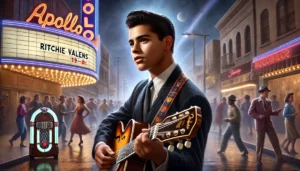
Hepworth addresses Ritchie Valens directly, tracing a young Mexican American musician’s relationship with guitar, his shortened professional name, his rapid rise and early death, while insisting that his music survives attempts to reshape his cultural identity.
2025
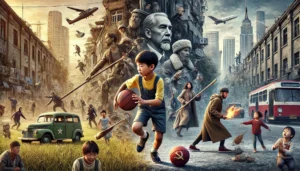
Mabrey imagines revolution as a nearly imperceptible force moving through ordinary moments across history: a Vietnamese boy carrying shoes through gunfire, a child unknowingly playing with a fragment connected to racial violence, and a girl rescuing a book from a military fire.

2025
Gail takes a long drink of ale, acquires a foamy mustache and then unexpectedly launches into guitar playing powerful enough to make even the gods wail.
2025
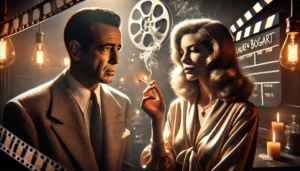
Speaking in the imagined voice of Lauren Bacall to Humphrey Bogart, the poem revisits their screen partnership, marriage, aging and Bogart’s death through the language of movies, scripts, cigarettes and Hollywood romance.
2024
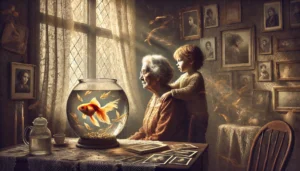
The speaker compares her grandmother’s dementia with the supposed short memory of a goldfish, moving through repeated introductions, frustration, grief, fear and love as both women become trapped in different kinds of forgetting.

2024
A birthday casserole made by the speaker’s mother becomes a measure of time. What began as a childhood treat gradually accumulates associations with aging, nostalgia, changing tastes, and the enduring rituals through which family love is expressed.

2024
Addressing “Summer” as an intimate presence, Valence moves through childhood memory, injury, aging, love, mortality and survival in a rapid stream of images that treats human connection as shelter against impermanence.
2025
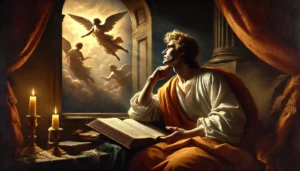
"On His Blindness" or also known as "When I Consider How My Light Is Spent" John Milton, published in 1673 When I consider how my light is spentEre half my days in this dark world…