

2026
THIS TRAIN
“THIS TRAIN” by Michael C. Ford is a poem centered on music, aging, nature. The poem develops its subject through recurring images and shifts in emotional pressure rather than reducing the experience to a single statement.
Poem archive
Read poems by Arizona and Southwestern writers, plus classic work preserved in the AZPoetry literary archive.
Search by poem title, poet, or a phrase you remember. Each archive page is designed to lead readers toward more poets and related work.
2026
“THIS TRAIN” by Michael C. Ford is a poem centered on music, aging, nature. The poem develops its subject through recurring images and shifts in emotional pressure rather than reducing the experience to a single statement.
2026
“FAILURE TO LEAVE PHOENIX IN ORDER TO SAVE MY LIFE IN THE SUMMER OF 1968” by Michael C. Ford is a poem centered on arizona, place and geography, memory. Its imagery is anchored in Arizona, Tucson. The poem develops its subject through recurring images and shifts in emotional pressure rather than reducing the experience to a single statement.

2026
“INTRUSION IN SUISUN” by Michael C. Ford is a poem centered on place and geography, mortality and loss, social justice. The poem develops its subject through recurring images and shifts in emotional pressure rather than reducing the experience to a single statement.
2026
“GROUNDING OUT IN SOUTHERN CALIFORNIA” by Michael C. Ford is a poem centered on place and geography, memory, family. Its imagery is anchored in Pasadena, California. The poem develops its subject through recurring images and shifts in emotional pressure rather than reducing the experience to a single statement.
2026
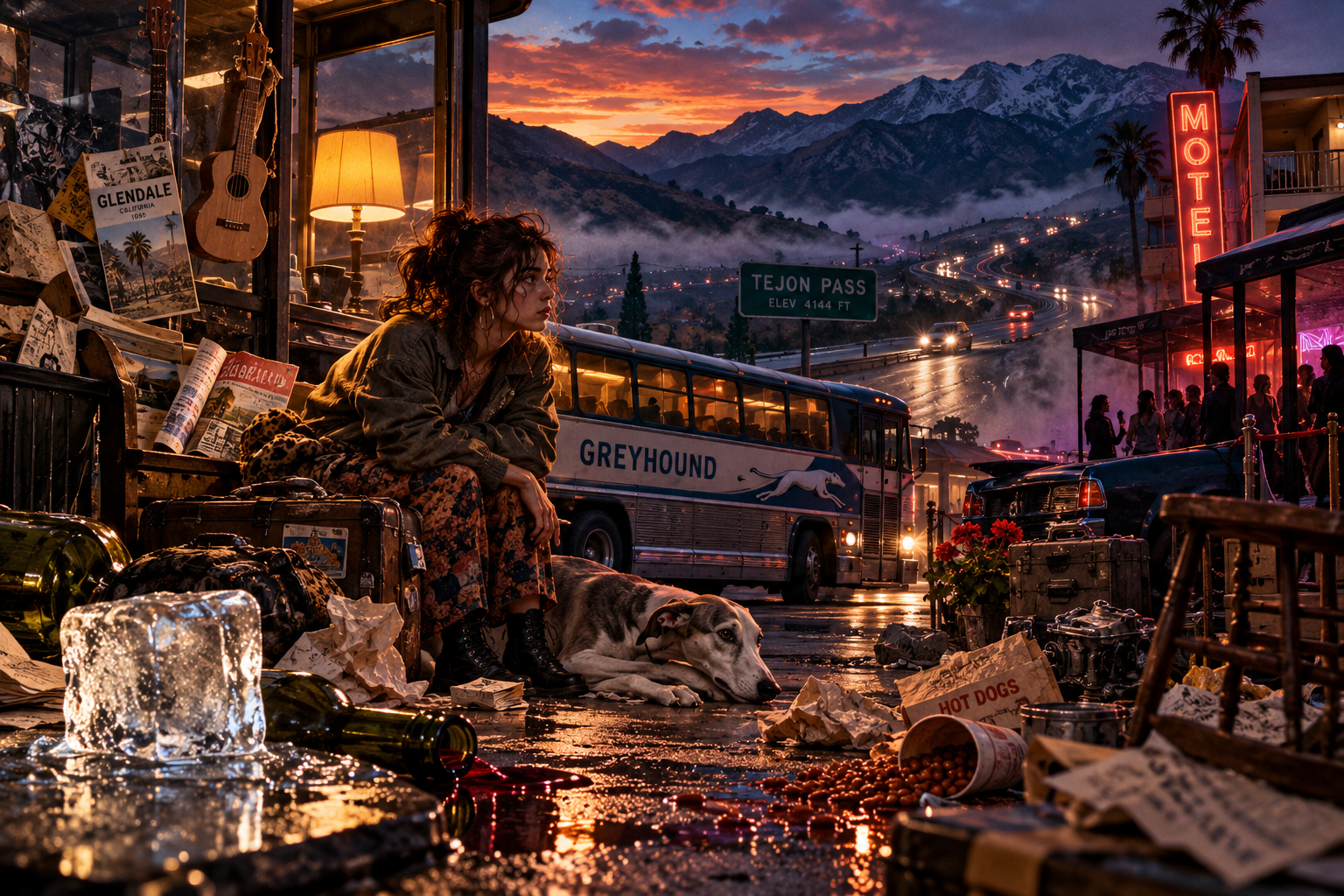
“GREYHOUND” by Michael C. Ford is a poem centered on place and geography, love and relationships, social justice. Its imagery is anchored in California, Glendale, California. The poem develops its subject through recurring images and shifts in emotional pressure rather than reducing the experience to a single statement.

2026
“I'm Going Through” by Jimmie Ware is a poem centered on love and relationships, family, identity. The poem develops its subject through recurring images and shifts in emotional pressure rather than reducing the experience to a single statement.
2026
“50 Deep Breaths” by Jimmie Ware is a poem centered on memory, love and relationships, family. Its imagery is anchored in Arctic Ocean. The poem develops its subject through recurring images and shifts in emotional pressure rather than reducing the experience to a single statement.

2026
“Time” by Jimmie Ware is a poem centered on love and relationships, family, nature. The poem develops its subject through recurring images and shifts in emotional pressure rather than reducing the experience to a single statement.

2026
“Uptown World” by Jimmie Ware is a poem centered on place and geography, love and relationships, family. The poem develops its subject through recurring images and shifts in emotional pressure rather than reducing the experience to a single statement.
2026
“Yesterday Emotions” by Jimmie Ware is a poem centered on place and geography, memory, nature. Its imagery is anchored in Chicago. The poem develops its subject through recurring images and shifts in emotional pressure rather than reducing the experience to a single statement.

2026
“Divided States of OZ” by Jimmie Ware is a poem centered on social justice, nature, travel and movement. The poem develops its subject through recurring images and shifts in emotional pressure rather than reducing the experience to a single statement.

2026
“Reigning Men” by Jimmie Ware is a poem centered on place and geography, love and relationships, social justice. The poem develops its subject through recurring images and shifts in emotional pressure rather than reducing the experience to a single statement.

2026
“Poems 4 Prince” by Jimmie Ware is a poem centered on memory, love and relationships, music. The poem develops its subject through recurring images and shifts in emotional pressure rather than reducing the experience to a single statement.
2026
“IJS” by Jimmie Ware is a poem centered on place and geography, memory, love and relationships. Its imagery is anchored in Alaska, Lake Michigan. The poem develops its subject through recurring images and shifts in emotional pressure rather than reducing the experience to a single statement.

2026
“Prophets in Paradise” by Jimmie Ware is a poem centered on memory, love and relationships, music. The poem develops its subject through recurring images and shifts in emotional pressure rather than reducing the experience to a single statement.

2026
“Kitchen Conversations” by Jimmie Ware is a poem centered on memory, love and relationships, family. The poem develops its subject through recurring images and shifts in emotional pressure rather than reducing the experience to a single statement.

2026
“I'm Down” by Jimmie Ware is a poem centered on love and relationships, family, music. The poem develops its subject through recurring images and shifts in emotional pressure rather than reducing the experience to a single statement.

2026
“Gratitude, For My Griots” by Jimmie Ware is a poem centered on love and relationships, social justice, aging. The poem develops its subject through recurring images and shifts in emotional pressure rather than reducing the experience to a single statement.

2026
“Alzheimer’s Poetry Project” by Aaron Hopkins-Johnson is a poem centered on memory, love and relationships, music. The poem develops its subject through recurring images and shifts in emotional pressure rather than reducing the experience to a single statement.

2026
“Chameleon” by Aaron Hopkins-Johnson is a poem centered on identity, aging, nature. The poem develops its subject through recurring images and shifts in emotional pressure rather than reducing the experience to a single statement.

2026
“Punctuated Lips” by Aaron Hopkins-Johnson is a poem centered on love and relationships, mortality and loss, aging. The poem develops its subject through recurring images and shifts in emotional pressure rather than reducing the experience to a single statement.

2026
“Charlie Brown” by Aaron Hopkins-Johnson is a poem centered on arizona, music, identity. Its imagery is anchored in Phoenix. The poem develops its subject through recurring images and shifts in emotional pressure rather than reducing the experience to a single statement.
2026
“Life Boat” by Aaron Hopkins-Johnson is a poem centered on family, mortality and loss, social justice. The poem develops its subject through recurring images and shifts in emotional pressure rather than reducing the experience to a single statement.

2026
“BEAT” by Michael C. Ford is a poem centered on place and geography, music, aging. The poem develops its subject through recurring images and shifts in emotional pressure rather than reducing the experience to a single statement.

2026
“ANOTHER SONG” by Michael C. Ford is a poem centered on place and geography, love and relationships, music. The poem develops its subject through recurring images and shifts in emotional pressure rather than reducing the experience to a single statement.

2026
“A FEW BARS ON A BAR-ROOM PIANO” by Michael C. Ford is a poem centered on place and geography, love and relationships, family. Its imagery is anchored in Los Angeles, California. The poem develops its subject through recurring images and shifts in emotional pressure rather than reducing the experience to a single statement.

2026
“A POEM THAT REFUSES TO BE CALLED DUSK” by Michael C. Ford is a poem centered on place and geography, identity, nature. Its imagery is anchored in San Diego, California. The poem develops its subject through recurring images and shifts in emotional pressure rather than reducing the experience to a single statement.

2026
“IT’S ONLY A DREAM…………………RIGHT?” by Michael C. Ford is a poem centered on nature, travel and movement. Its imagery is anchored in Los Angeles. The poem develops its subject through recurring images and shifts in emotional pressure rather than reducing the experience to a single statement.

2026
“INNER BLUES ON THE OUTER DRIVE” by Michael C. Ford is a poem centered on place and geography, memory, family. Its imagery is anchored in Chicago, California. The poem develops its subject through recurring images and shifts in emotional pressure rather than reducing the experience to a single statement.

2026
“SUNRISE HIGHWAY” by Michael C. Ford is a poem centered on place and geography, love and relationships, nature. The poem develops its subject through recurring images and shifts in emotional pressure rather than reducing the experience to a single statement.

2026
“BLACK LIGHT” by Michael C. Ford is a poem centered on place and geography, music, social justice. Its imagery is anchored in San Francisco. The poem develops its subject through recurring images and shifts in emotional pressure rather than reducing the experience to a single statement.

2026
“BLUES BOUTS-RIMES TO BILLIE HOLIDAY” by Michael C. Ford is a poem centered on love and relationships, music, mortality and loss. The poem develops its subject through recurring images and shifts in emotional pressure rather than reducing the experience to a single statement.
2026
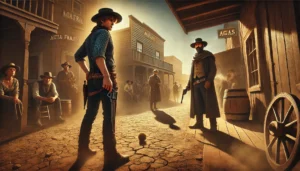
An Arizona Ranger rides into the town of Agua Fria to confront the outlaw Texas Red. Townspeople expect the Ranger to become the outlaw’s twenty-first victim, but their duel ends almost instantly when the Ranger proves faster.
2026
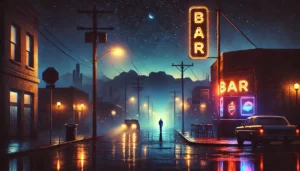
Driving, drinking, crowds and music blur into fragments of a night spent searching for something that remains just out of reach. What survives afterward is not a complete narrative but scattered “pieces of the night.”
2025
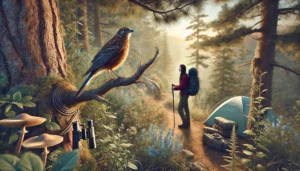
Speaking as a bird, the poem recounts an attraction to a thru-hiker who repeatedly observes but never fully understands him. Their relationship develops through birdsong, nests, field guides, migration and binoculars until incompatibility becomes something the speaker must finally fly away from.
2025
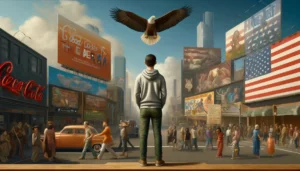
Through a recurring question about whether he counts as American, the speaker contrasts his own beliefs and cultural preferences with conventional symbols and assumptions about patriotism, asking whether criticism and difference exclude someone from national belonging.
2025
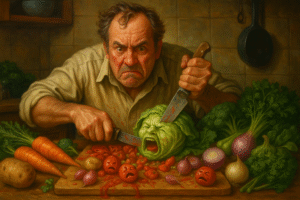
A speaker describes preparing a salad as though committing a gruesome massacre, assigning vegetables pain, fear and victimhood before announcing a campaign for plant rights—and then asking for blue cheese.
2025
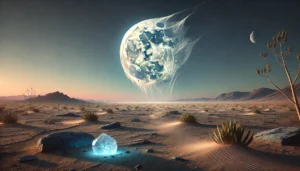
Shelton observes moon, wind, stones, mountains and a hidden scorpion as participants in an ancient desert order. By remaining in that landscape, the speaker hopes eventually to exchange language for a deeper form of understanding.
2025
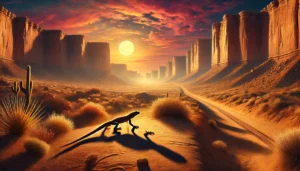
Chorlton imagines the desert landscape as a thinking presence whose roads, rocks, animals, shadows and canyons pose questions that exceed ordinary human answers.
2025
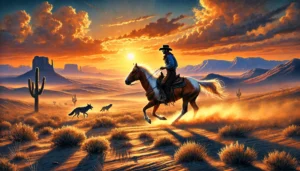
A cowboy rejects urban comforts in favor of horseback life across immense desert ranges, finding freedom in sun, mountains, coyotes and open space and imagining that even heaven should consist of riding a winged horse across the stars.
2025
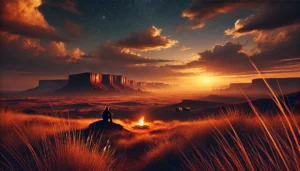
Alone beneath western stars, the speaker asks the gentle mesa wind to carry kisses and memories to an absent woman. The surrounding landscape becomes a messenger for longing that cannot otherwise reach her.
2025
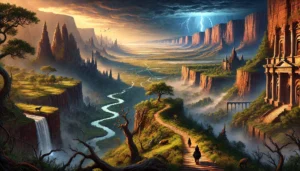
Abbey offers an unconventional blessing: may the reader encounter crooked trails, dangerous journeys, endless rivers, wild forests, red-rock deserts, storms, canyons and ultimately something more wondrous than imagination can predict.
2025
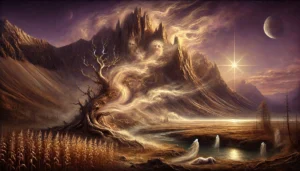
Bitsui moves through a rapidly transforming landscape of mountains, wind, reservation ghosts, uranium water, digital clouds, family, maps and dissolving bodies, creating a world in which environmental, technological and human boundaries continually collapse into one another.

2025
The speaker addresses a young person being bullied and urges him not to mistake other people’s cruelty for a truthful description of who he is. Drawing on his own experience, the speaker presents survival as evidence that the victim’s future can exceed the identities imposed on him.
2025
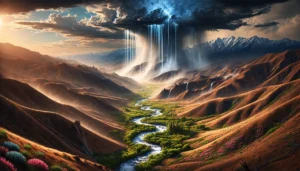
After a long, smoldering summer, thunder brings rain from the mountains into the gullies and valleys. The speaker experiences the storm as both ecological renewal and personal comfort.
2025
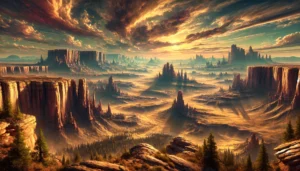
Urmy condenses Arizona into four monumental images: mesas and rock spires, canyons and heat, immense open spaces, and a silence that seems to preserve the land’s secrets.

2025
Gail takes a long drink of ale, acquires a foamy mustache and then unexpectedly launches into guitar playing powerful enough to make even the gods wail.
2025
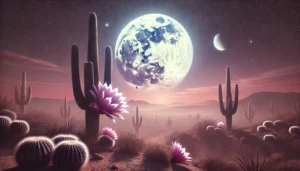
Moonlight transforms the Arizona desert into a quiet, dreamlike world where the moon resembles a snowflake, cacti become guardians, and night unfolds like a desert lily.
2025
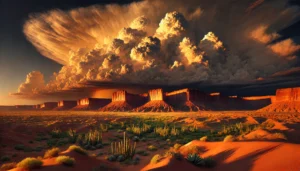
A desert thunderstorm advances across sunlit mesas, darkens the canyon and erupts into a torrent that floods the canyon floor.
2025
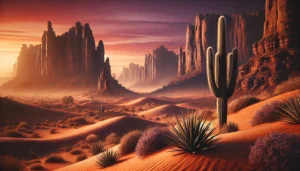
Hall presents the Sonoran Desert as a place governed by elemental powers: cactus, yucca, rock, sand, silence, stars, legends, and spirits. The landscape is not merely scenery; it holds memory and mystery.

2025
Fox mimics the nonstop velocity of satellite sports television, combining multiple sports, announcer language and advertising until athletic competition, consumer products and television spectacle become one continuous broadcast.
2025
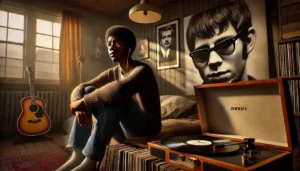
Flemons remembers going to sleep on September 10, 2001 anticipating the release of Bob Dylan’s Love and Theft, only to awaken to September 11. The album becomes inseparable from the collision between an ordinary personal anticipation and an event that abruptly changed the surrounding world.

2025
Missing someone causes the speaker to see a heart in a cloud—but not the polished symbol of greeting cards. Instead, he imagines an actual human heart: messy, vulnerable, compassionate and ultimately impossible for poetry to fully capture.

2025
In six short lines, Orion takes the familiar annoyance of someone texting during a movie and escalates the response into an absurd instruction involving silenced handguns.
2024
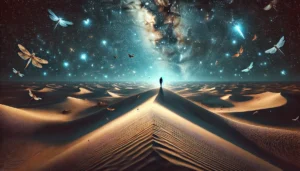
On a cold Arizona morning, the speaker imagines the apparently silent stars as an enormous working machine whose unheard energy continues through birds, insects and other creatures while humans sleepily enter an ordinary Monday.
2024
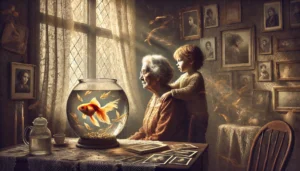
The speaker compares her grandmother’s dementia with the supposed short memory of a goldfish, moving through repeated introductions, frustration, grief, fear and love as both women become trapped in different kinds of forgetting.
2024
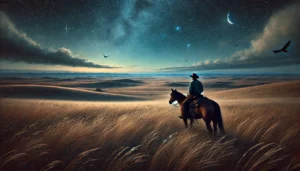
A cowboy prays beneath the stars, finding God more readily in open plains, wind, horses and honest work than inside churches. He asks not for comfort or wealth but for freedom, generosity, integrity and guidance along life’s final trail.
2024
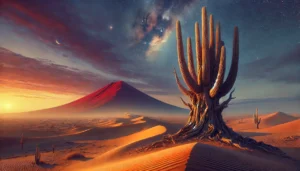
Monroe imagines a giant Arizona cactus as an ancient sentinel that has silently witnessed stars, mountains, civilizations and geological time while refusing to reveal what it knows.
2024
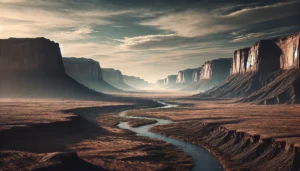
An empty Southwestern landscape is defined by absence: silent rivers, bare mesas, shadowed peaks, and wind carrying neither footsteps nor names.
2024
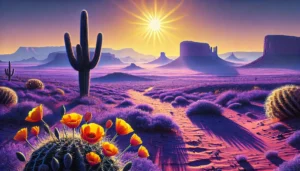
Wortley presents the Arizona desert through contrasts: fierce sunlight and purple shadow, silent mountains and calling mesas, harsh aridity and brilliantly blooming cactus and poppies.

2025
"Sonnet 18" by William Shakespeare Shall I compare thee to a summer’s day?Thou art more lovely and more temperate:Rough winds do shake the darling buds of May,And summer’s lease h…
2025
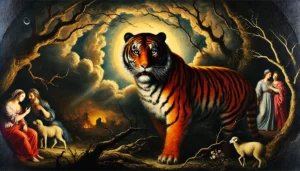
"The Tiger" by William Blake Tiger Tiger, burning bright,In the forests of the night;What immortal hand or eye,Could frame thy fearful symmetry? In what distant deeps or skies.Bur…